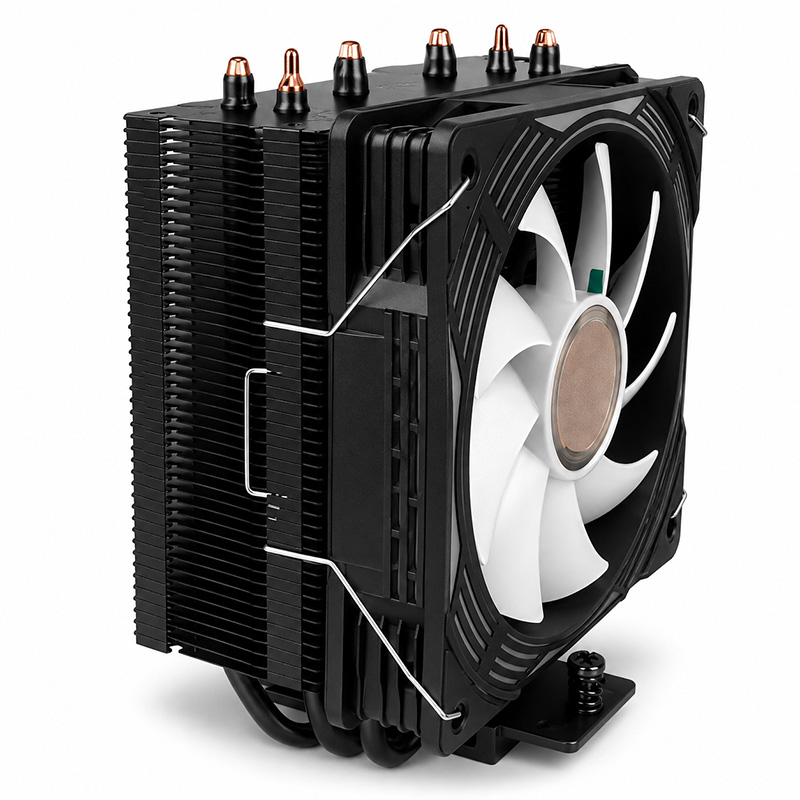

# The Environmental Impact of RGB Lighting in PC Coolers and How the ATX Cooler 104-0050-2 Helps Reduce It
In recent years, RGB lighting has become a ubiquitous feature in the world of PC building and customization. From vibrant case fans to illuminated keyboards, RGB aesthetics allow users to personalize their rigs with a spectrum of colors and dynamic lighting effects. Among these components, RGB lighting integrated into PC coolers has gained significant popularity for its visual appeal. However, as with any electronic innovation, it is crucial to consider the environmental ramifications associated with this technology. This article explores the environmental impact of RGB lighting in PC coolers and discusses how innovative products like the ATX Cooler 104-0050-2 are designed to mitigate these effects.
---
## Understanding RGB Lighting in PC Coolers
RGB lighting refers to the use of red, green, and blue LEDs to create a wide range of colors through additive color mixing. In PC coolers, RGB LEDs are embedded in fans or heatsinks, providing customizable lighting that enhances the overall aesthetics of a build.
While RGB lighting adds an impressive visual element, it also introduces additional energy consumption and manufacturing complexities. These factors collectively contribute to the environmental footprint of PC coolers equipped with RGB lighting.
---
## The Environmental Impact of RGB Lighting in PC Coolers
### 1. **Increased Energy Consumption**
RGB LEDs require power to operate, which, although minimal per unit, accumulates over time when multiple LEDs are used across numerous devices. This elevated power usage contributes to increased electricity demand:
- **Direct Energy Use:** The continuous illumination of RGB lights leads to higher electricity consumption. While individual LEDs consume only a small amount of power, the aggregate effect across millions of PCs worldwide can be significant.
- **Indirect Energy Costs:** Manufacturing RGB LED components involves energy-intensive processes, from semiconductor fabrication to assembly. Additionally, software controlling RGB lighting often requires continuous power to microcontrollers within coolers.
### 2. **Material Use and Waste**
The production of RGB LEDs involves various materials, including rare earth elements, phosphors, and electronic components:
- **Resource Extraction:** Mining for raw materials like gallium and indium, essential for LED production, has environmental consequences such as habitat destruction and pollution.
- **Electronic Waste (E-Waste):** As trends evolve and RGB lighting systems become obsolete or damaged, discarded components contribute to e-waste challenges. Improper disposal risks releasing toxic substances into the environment.
### 3. **Heat Generation and Cooling Efficiency**
Although RGB LEDs generate minimal heat compared to other PC components, every watt of power consumed translates to some heat output. This heat, albeit slight, can:
- **Increase Cooling Demands:** Even minor additional heat requires management, potentially leading to increased fan speeds and higher power consumption overall.
- **Reduce Energy Efficiency:** The necessity to dissipate extra heat may reduce the efficiency of cooling systems, indirectly increasing environmental impact.
### 4. **Lifecycle Emissions**
From manufacturing to disposal, RGB lighting contributes to the carbon footprint of PC coolers:
- **Manufacturing Emissions:** Energy-intensive fabrication processes release greenhouse gases.
- **Transportation Emissions:** Shipping components globally adds to CO2 emissions.
- **End-of-Life Handling:** Recycling or landfill disposal affects long-term environmental health.
---
## Addressing the Environmental Challenge: The Role of the ATX Cooler 104-0050-2
Recognizing the environmental concerns associated with RGB lighting, manufacturers have started innovating to create more sustainable cooling solutions without compromising on performance or aesthetics. The ATX Cooler 104-0050-2 exemplifies this approach.
### Key Features of the ATX Cooler 104-0050-2 That Reduce Environmental Impact
#### 1. **Energy-Efficient LED Implementation**
The ATX Cooler 104-0050-2 utilizes advanced low-power LEDs that provide vibrant RGB effects while consuming significantly less energy than traditional models. By optimizing LED circuitry and employing efficient drivers, the cooler reduces operational power draw, minimizing electricity use during typical PC operation.
- **Optimized Power Management:** Intelligent control systems regulate LED brightness and animation intensity, preventing unnecessary energy expenditure.
- **Adaptive Lighting Modes:** Users can select modes that limit lighting to essential or low-energy states, further conserving power.
#### 2. **Improved Thermal Design**
This cooler integrates superior thermal management technologies that offset any heat generated by the RGB lighting:
- **Advanced Heat Dissipation Materials:** High-quality heat pipes and fins improve cooling efficiency, reducing the need for fan speed increases.
- **Aerodynamic Fan Blades:** Designed to maximize airflow while minimizing noise and energy use, these fans maintain system temperatures effectively, even with active lighting.
#### 3. **Sustainable Manufacturing Practices**
The ATX Cooler 104-0050-2 is manufactured with environmental conscientiousness in mind:
- **Use of Recyclable Materials:** Components are designed to be more easily recycled at the end of the product lifecycle.
- **Reduced Hazardous Substances:** Compliance with RoHS (Restriction of Hazardous Substances) standards ensures fewer toxic materials in construction.
- **Efficient Packaging:** Packaging employs minimal, recyclable materials to reduce waste.
#### 4. **Software Integration for Environmental Control**
To complement hardware efficiencies, the cooler’s software allows granular control over RGB lighting:
- **User-Customizable Profiles:** Users can create lighting schedules that turn off LEDs during inactive periods, minimizing unnecessary power use.
- **Integration with System Sensors:** Lighting intensity can adapt based on system temperature or workload, balancing aesthetics and efficiency.
---
## Practical Tips for Users to Minimize the Environmental Footprint of RGB Lighting
Consumers also play a vital role in reducing the environmental impact of RGB lighting in PC coolers:
- **Opt for Energy-Efficient Models:** Choose coolers like the ATX Cooler 104-0050-2 that prioritize low power consumption.
- **Manage Lighting Usage:** Disable or dim RGB lighting when not needed, especially during extended idle times.
- **Proper Disposal and Recycling:** Ensure old components are recycled through certified e-waste programs.
- **Regular Maintenance:** Keep cooling systems clean to maintain performance and prevent excess energy use.
---
## Broader Industry Trends Toward Sustainable PC Components
The push for sustainability extends beyond RGB lighting to encompass the entire PC component ecosystem:
- **Modular Designs:** Allowing easy replacement of parts reduces waste.
- **Eco-Friendly Materials:** Incorporation of biodegradable or recyclable plastics.
- **Energy Star Certification:** Some manufacturers pursue certifications indicating energy-efficient designs.
- **Carbon-Neutral Initiatives:** Leading brands invest in offsetting emissions related to manufacturing and shipping.
---
## Conclusion
RGB lighting in PC coolers undoubtedly enhances the visual experience of custom builds, but its environmental impact should not be overlooked. Increased energy consumption, material use, and lifecycle emissions pose significant challenges. However, innovations like the ATX Cooler 104-0050-2 demonstrate that it is possible to enjoy RGB aesthetics while mitigating environmental harm through energy-efficient LEDs, superior thermal design, sustainable manufacturing, and smart software controls.
As both manufacturers and consumers become more environmentally conscious, the PC industry is poised to balance performance, personalization, and sustainability. By making informed choices and supporting eco-friendly products, users contribute to reducing the ecological footprint of their technology.
---
## Technical Styling Note
When presenting content about PC coolers and RGB lighting in web-based formats, attention to detail in CSS styling enhances readability and user experience. A well-crafted style guide might include:
- **Reset and Box-Sizing:** Implementing `box-sizing: border-box` alongside CSS reset rules ensures consistent spacing and layout.
- **Font-Family and Text Rendering:** Utilizing clean, readable fonts with `-webkit-font-smoothing` and `text-rendering: optimizeLegibility` improves text clarity.
- **Page Wrapper and Container:** Centered page wrappers with max-widths (e.g., 1180px) and auto margins maintain content alignment.
- **Background and Text Colors:** Soft background colors like `#f4f8ff` paired with dark text (`#111`) provide comfortable contrast.
- **Section Padding and Overflow Handling:** Adequate padding and `overflow-x: hidden` prevent horizontal scroll issues.
- **Hero Sections:** Using subtle backgrounds (`#eaf2ff`) and borders (`#dbe7ff`) defines visual hierarchy.
Such styling considerations contribute to professional, accessible, and aesthetically pleasing presentations of technical content.
---
By understanding and addressing the environmental impacts of RGB lighting in PC coolers, and by embracing innovative solutions like the ATX Cooler 104-0050-2, the PC building community can enjoy personalized lighting effects while fostering a more sustainable future.