
# Comparing the 3U Heatsink 107-0033-1 with Other Server Cooling Solutions
In the realm of data centers and high-performance computing, effective thermal management is paramount. As server densities increase and processors become more powerful, the need for efficient, reliable cooling solutions intensifies. Among the various options available, the **3U Heatsink 107-0033-1** stands out as a noteworthy contender in server cooling technology. This article provides an in-depth comparison of the 3U Heatsink 107-0033-1 with other prevalent server cooling solutions, exploring their design philosophies, performance metrics, installation considerations, and cost-effectiveness.
---
## Understanding Server Cooling: Why It Matters
Before diving into the specifics of the 3U Heatsink 107-0033-1 and its competitors, it’s essential to understand why server cooling matters:
- **Thermal regulation:** Servers generate significant heat during operation; without adequate cooling, components can overheat, leading to throttling or hardware failure.
- **System reliability:** Effective cooling extends hardware lifespan and reduces downtime.
- **Energy efficiency:** Efficient cooling reduces power consumption by minimizing the need for excessive fan speeds or additional cooling infrastructure.
- **Performance optimization:** Maintaining optimal operating temperatures ensures servers run at peak performance.
---
## Overview of the 3U Heatsink 107-0033-1
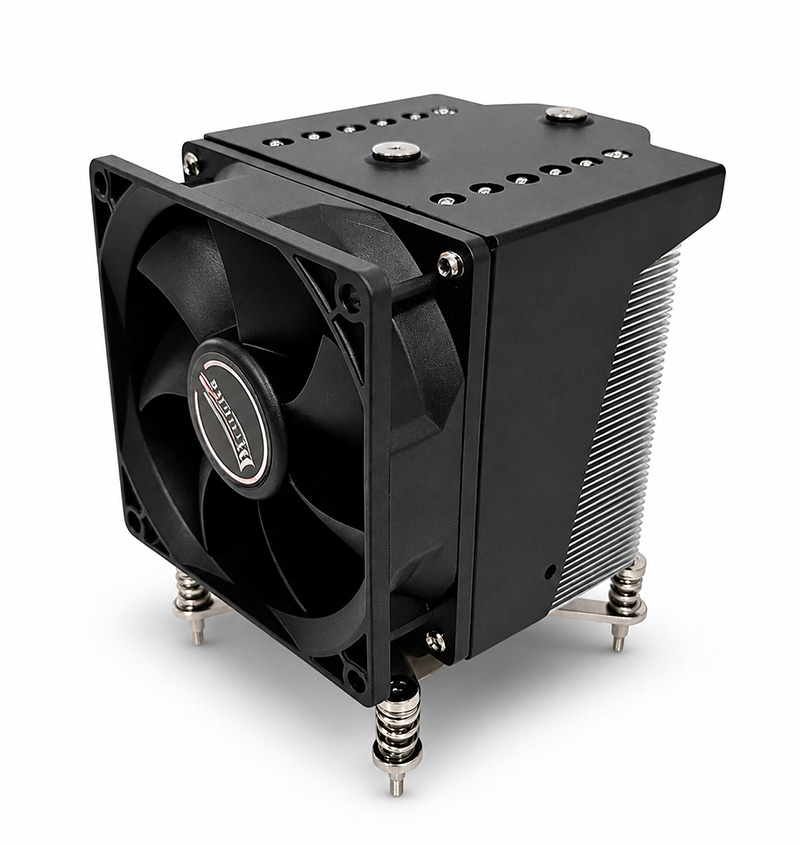
The 3U Heatsink 107-0033-1 is engineered for medium to large-sized server chassis, designed specifically for processors with high thermal output. Its “3U” designation refers to the height standard in rack units (one “U” equals 1.75 inches), making it suitable for servers where vertical space is moderately available but thermal demands are high.
### Key Features and Specifications
- **Form factor:** 3U height, compatible with many rack-mounted server chassis.
- **Material:** High-grade aluminum alloy optimized for heat dissipation.
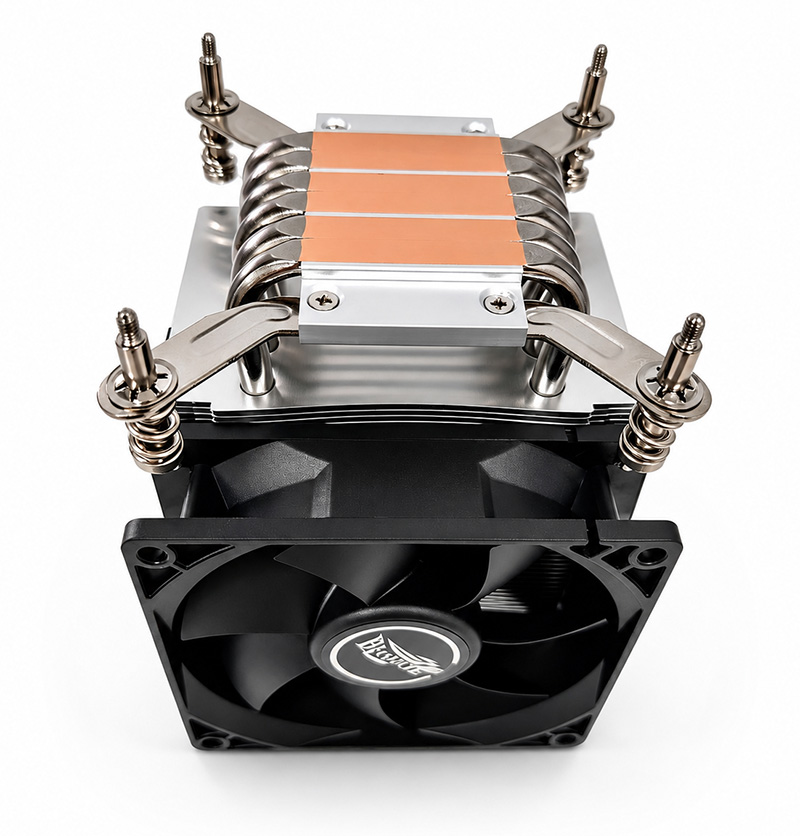
- **Thermal interface:** Pre-applied high-performance thermal paste for enhanced conductivity.
- **Heat pipes:** Integrated copper heat pipes to transfer heat efficiently from the CPU to the fins.
- **Fin design:** Dense fin array with optimized spacing to maximize airflow while minimizing resistance.
- **Fan compatibility:** Designed to work with high-static pressure fans or server chassis airflow setups.
---
## Comparing Cooling Solutions: Heatsinks, Liquid Cooling, and Immersion Cooling
### Traditional Air-Cooled Heatsinks (Including 3U Heatsink 107-0033-1)
#### Advantages
- **Simplicity:** The 3U Heatsink 107-0033-1’s air-cooled design means fewer moving parts and reduced complexity.
- **Cost-effective:** Generally lower upfront costs compared to advanced cooling systems.
- **Ease of maintenance:** Swapping or cleaning heatsinks is straightforward.
- **Compatibility:** Fits standard server racks without requiring significant chassis modifications.
#### Limitations
- **Thermal ceiling:** Air cooling has inherent limitations in dissipating extremely high heat loads.
- **Noise:** Fans required for airflow can contribute to noise pollution within data centers.
- **Space constraints:** Although 3U height is moderate, it may limit dense packing in some environments.
---
### Liquid Cooling Solutions
Liquid cooling, including direct-to-chip cold plates and liquid immersion systems, offers a different approach to server thermal management.
#### Direct-to-Chip Liquid Cooling
- **Mechanism:** Coolant circulates through cold plates mounted directly on CPUs, transferring heat away more efficiently than air.
- **Performance:** Significantly higher thermal conductivity allows handling of CPUs with very high TDP (Thermal Design Power).
- **Space savings:** Often more compact vertically compared to large heatsinks.
- **Drawbacks:** Complexity increases with pumps, reservoirs, and tubing; potential risk of leaks necessitates careful design and maintenance.
#### Immersion Cooling
- **Mechanism:** Entire servers or components are submerged in dielectric coolant fluids.
- **Benefits:** Superior heat removal capabilities, reduced noise, and minimal dust accumulation.
- **Challenges:** High initial costs, compatibility issues with existing hardware, and specialized maintenance procedures.
---
### Heat Pipe and Vapor Chamber Heatsinks
Some modern air-cooled heatsinks integrate vapor chambers and advanced heat pipe arrays for enhanced performance.
- **Heat pipes vs. traditional fins:** Heat pipes transfer heat rapidly from the CPU base to fins, improving efficiency.
- **Vapor chambers:** Provide uniform heat distribution across the base plate.
- **Comparison with 3U Heatsink 107-0033-1:** The 107-0033-1 integrates traditional heat pipes but does not use vapor chamber technology, positioning it as a robust but mid-range option.
---
## Performance Benchmarks: 3U Heatsink 107-0033-1 vs. Alternatives
### Thermal Dissipation Efficiency
The 3U Heatsink 107-0033-1 effectively manages CPUs with thermal outputs up to approximately 150W under typical server airflow conditions. This makes it suitable for mainstream enterprise servers that balance compute power with moderate thermal challenges.
- **Air-cooled alternatives** in the same form factor generally operate in similar ranges, though some may push slightly higher TDPs with larger fans or innovative fin designs.
- **Liquid cooling systems** can handle well beyond 250W TDP, making them ideal for high-density, high-performance computing clusters.
- **Immersion cooling** can theoretically manage any thermal load but is often reserved for specialized applications due to cost.
### Noise and Energy Consumption
Air-cooled solutions like the 3U Heatsink 107-0033-1 depend on fans, which consume energy and generate noise. Data centers prioritizing low acoustic profiles may prefer liquid cooling despite higher complexity.
### Reliability and Maintenance
- The 3U Heatsink 107-0033-1 has a low failure rate due to its passive nature; fans are the only components subject to wear.
- Liquid systems require pumps and tubing, increasing points of failure.
- Immersion cooling minimizes moving parts but complicates servicing.
---
## Installation and Compatibility Considerations
A critical aspect when selecting server cooling solutions is integration with existing infrastructure.
- The **3U Heatsink 107-0033-1** fits standard server boards and chassis designed for 3U height components, making it a plug-and-play choice.
- Liquid cooling often demands chassis redesigns or custom mounts.
- Immersion cooling requires specialized tanks and fluid management systems.
---
## Cost Analysis: Balancing Capital and Operational Expenditure
From a budgetary perspective:
- The **3U Heatsink 107-0033-1** offers a competitive price point with minimal installation costs.
- Liquid cooling has higher upfront costs but can reduce operational expenses via improved energy efficiency.
- Immersion cooling entails significant capital investment but potential long-term savings in cooling infrastructure.
---
## Environmental and Sustainability Impacts
Modern data centers are increasingly focused on sustainability:
- Air-cooled systems like the 3U Heatsink 107-0033-1 consume more power for fans and air conditioning.
- Liquid and immersion cooling reduce energy consumption and cooling emissions.
- Decisions regarding cooling solutions must weigh environmental goals alongside performance needs.
---
## Conclusion: Selecting the Right Cooling Solution
The **3U Heatsink 107-0033-1** represents a solid, reliable choice for server cooling within the air-cooled paradigm. It excels in scenarios where moderate thermal loads, ease of installation, and cost-efficiency are priorities. However, as server power densities continue to rise, alternative cooling methods such as liquid and immersion cooling offer compelling advantages in thermal performance and energy efficiency, albeit with increased complexity and cost.
For organizations evaluating server cooling, a balanced approach that considers workload profiles, physical constraints, budget, and long-term sustainability objectives will yield the optimal solution. The 3U Heatsink 107-0033-1 remains a valuable component in the broader ecosystem of server cooling technologies.
---
## Appendix: CSS Styling Considerations for Technical Documentation Pages
When presenting technical comparisons such as this on web platforms, clear and accessible formatting is crucial. Key CSS properties to enhance readability and user experience include:
```css
/* Reset default browser styles */
* {
margin: 0;
padding: 0;
box-sizing: border-box;
}
/* Body font and color settings */
body {
font-family: 'Helvetica Neue', Helvetica, Arial, sans-serif;
background-color: #f4f8ff;
color: #111;
-webkit-font-smoothing: antialiased;
text-rendering: optimizeLegibility;
overflow-x: hidden;
}
/* Container for page content */
.page-wrapper {
max-width: 1180px;
margin: 0 auto;
padding: 20px;
}
/* Section padding for content blocks */
section {
padding: 40px 0;
}
/* Hero section styling */
.hero {
background-color: #eaf2ff;
border-bottom: 1px solid #dbe7ff;
padding: 60px 20px;
}
```
These styles create a clean, professional layout that enhances comprehension of complex technical material such as server cooling comparisons.
---
By understanding the nuances of the 3U Heatsink 107-0033-1 and other cooling technologies, IT professionals and data center managers can make informed decisions that balance performance, cost, and sustainability.