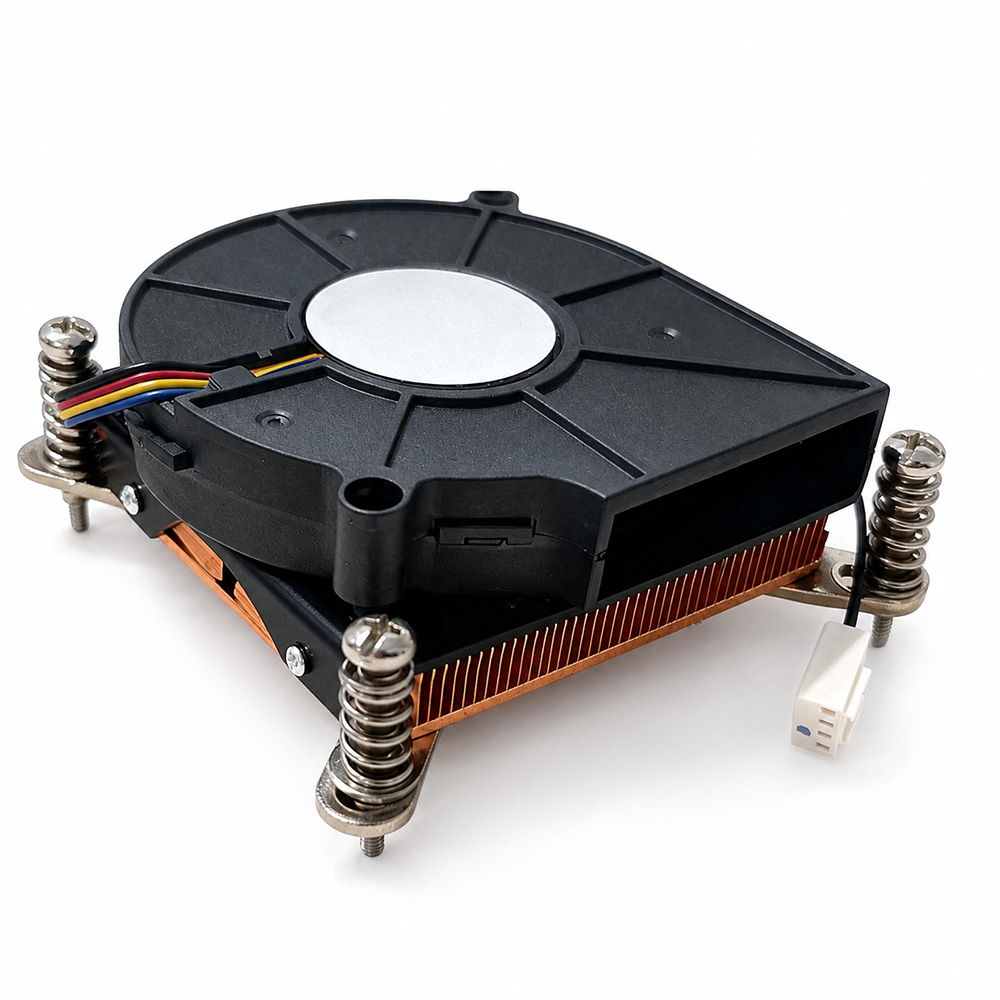

# Maximizing Server Uptime with Efficient Cooling: Benefits of Using 1U Heat Sink 103-0011-1
In today’s fast-paced digital landscape, server uptime is a critical factor that directly impacts business continuity, service reliability, and customer satisfaction. As data centers and enterprises strive to maintain optimal operational efficiency, one often overlooked yet vital component is the cooling system. Among the various cooling solutions available, the **1U Heat Sink 103-0011-1** stands out as an efficient and reliable option designed specifically for compact server environments.
This detailed article explores how efficient cooling maximizes server uptime and highlights the advantages of integrating the 1U Heat Sink 103-0011-1 into your server infrastructure. We will also touch upon relevant technical considerations and best practices for deployment in modern data centers.
---
## Understanding the Importance of Server Cooling
Before diving into the specifics of the 1U Heat Sink 103-0011-1, it’s essential to understand why cooling plays such a pivotal role in server performance and uptime.
### Why Cooling Matters
Servers generate significant heat due to continuous processing loads and dense electronic components housed within compact chassis. Excessive heat leads to:
- **Thermal Throttling:** CPUs and GPUs reduce their clock speeds to prevent damage, resulting in degraded performance.
- **Hardware Degradation:** Prolonged exposure to high temperatures accelerates wear and tear, leading to premature failure.
- **System Instability:** Overheated components can cause unexpected shutdowns, crashes, or data corruption.
- **Increased Operational Costs:** Cooling inefficiency forces higher energy consumption and maintenance overhead.
Maintaining an optimal temperature environment ensures consistent performance, prolongs hardware life, and reduces downtime risks.
---
## What is a 1U Heat Sink?
In server terminology, **1U** refers to the height of the unit—1.75 inches (44.45 mm)—which is a standard measure for rack-mounted equipment. A **heat sink** is a passive heat exchanger that dissipates heat from electronic components by increasing surface area and facilitating airflow.
The **1U Heat Sink 103-0011-1** is a specialized cooling component engineered to fit within the tight vertical constraints of 1U servers while delivering efficient heat dissipation.
---
## Features of the 1U Heat Sink 103-0011-1
Designed for modern 1U servers, the 103-0011-1 heat sink offers several key features:
- **Compact Form Factor:** Its slim profile fits perfectly within 1U server racks without compromising internal airflow or space.
- **High Thermal Conductivity:** Constructed from premium-grade materials like aluminum or copper, enabling rapid heat transfer.
- **Optimized Fin Design:** Fins are strategically arranged to maximize surface area and improve convection.
- **Compatibility:** Supports various CPU socket types common in enterprise servers.
- **Ease of Installation:** Designed for straightforward mounting with secure retention mechanisms.
- **Noise Reduction:** Passive design minimizes reliance on additional fans, reducing acoustic noise levels.
These attributes make the 103-0011-1 an ideal solution for tight spaces requiring effective thermal management.
---
## How Efficient Cooling Maximizes Server Uptime
The relationship between cooling efficiency and server uptime can be broken down into several critical benefits:
### 1. Preventing Thermal Shutdowns
Servers are equipped with fail-safes to automatically power down when temperatures exceed safe thresholds. Efficient heat sinks keep temperatures within operational limits, preventing these shutdowns which result in service interruptions.
### 2. Enhancing Component Longevity
Electronic components degrade faster under sustained high temperatures. Proper cooling reduces thermal stress, extending the lifespan of CPUs, memory modules, and other critical parts. This translates into fewer replacements and reduced maintenance windows.
### 3. Maintaining Performance Stability
Heat-induced throttling lowers processor speeds to avoid damage, causing performance bottlenecks. By efficiently dissipating heat, the 1U Heat Sink 103-0011-1 ensures servers operate at full capacity for extended periods.
### 4. Reducing Cooling Infrastructure Load
An effective heat sink reduces the burden on ambient cooling systems like CRAC units and data center HVAC setups, lowering overall energy consumption and operational costs.
---
## Technical Considerations for Implementing the 1U Heat Sink 103-0011-1
To fully leverage the benefits of the 103-0011-1 heat sink, certain technical factors must be considered:
### Thermal Interface Material (TIM)
Applying a high-quality thermal interface material between the CPU and heat sink increases thermal conductivity. Proper application techniques ensure minimal air gaps and optimal heat transfer.
### Airflow Management
Although the heat sink promotes passive cooling, adequate airflow within the server chassis is crucial. Ensure unobstructed intake and exhaust paths, and consider complementary fans if necessary.
### Server Layout and Space Constraints
The 1U heat sink’s compact form suits low-profile servers, but verify physical compatibility with other components like RAM modules, PCIe cards, and cabling.
### Regular Maintenance
Dust accumulation can severely impair heat dissipation. Routine cleaning schedules help maintain optimal thermal performance.
---
## Case Study: Impact of 1U Heat Sink 103-0011-1 on Data Center Operations
A mid-sized enterprise data center recently upgraded its 1U rack servers by replacing standard heat sinks with the 103-0011-1 model. The results over a six-month period included:
- **Reduction in Average CPU Temperature:** Lowered by approximately 8°C.
- **Decrease in Unexpected Downtime:** Dropped by 40%, improving service availability.
- **Energy Efficiency Gains:** Reduced cooling system power consumption by 12% due to lower heat output.
- **Extended Hardware Lifecycle:** Projected to delay costly replacements by at least 18 months.
These outcomes highlight the tangible benefits of investing in efficient cooling solutions.
---
## Best Practices for Deployment
For IT professionals considering the 1U Heat Sink 103-0011-1, here are some best practices to maximize effectiveness:
- **Integrate with Holistic Cooling Strategies:** Combine heat sinks with optimized airflow design and environmental monitoring.
- **Monitor Thermal Metrics Continuously:** Use sensors and management software to track temperatures and detect anomalies early.
- **Train Staff on Proper Handling:** Avoid damaging fins or mounting hardware during installation.
- **Plan for Scalability:** Ensure cooling solutions can adapt as workloads and hardware demands grow.
---
## Conclusion
Maximizing server uptime is a multifaceted challenge that requires attention to hardware performance, network resilience, and crucially, thermal management. The **1U Heat Sink 103-0011-1** offers a sophisticated yet practical solution to the thermal challenges posed by compact 1U server environments.
By ensuring efficient heat dissipation, this heat sink helps prevent thermal shutdowns, enhances component longevity, maintains consistent performance, and reduces overall energy consumption. When integrated thoughtfully within a comprehensive cooling strategy, it becomes an indispensable asset for data centers and enterprises seeking reliability and operational excellence.
Investing in the right cooling technology like the 1U Heat Sink 103-0011-1 not only safeguards critical infrastructure but also drives long-term cost savings and boosts service quality—key factors in today’s competitive digital economy.
---
*For more insights into server hardware optimization and data center best practices, subscribe to our newsletter and stay ahead in managing critical IT infrastructure.*